Wildfire Observations
summer 2026
27 July 2026 – 13 August : EUBURN is preparing for night-time drone flights over extreme wildfires
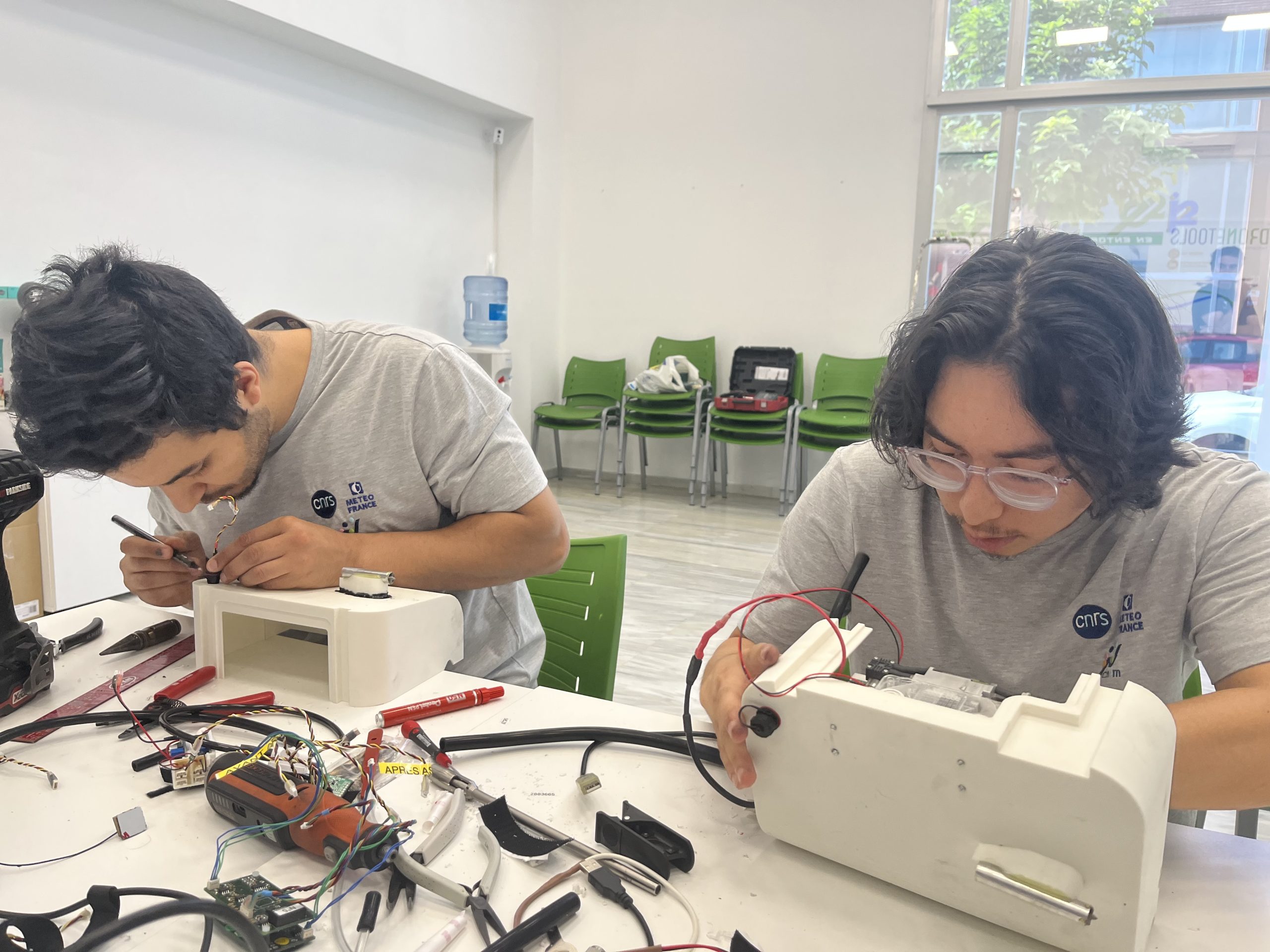
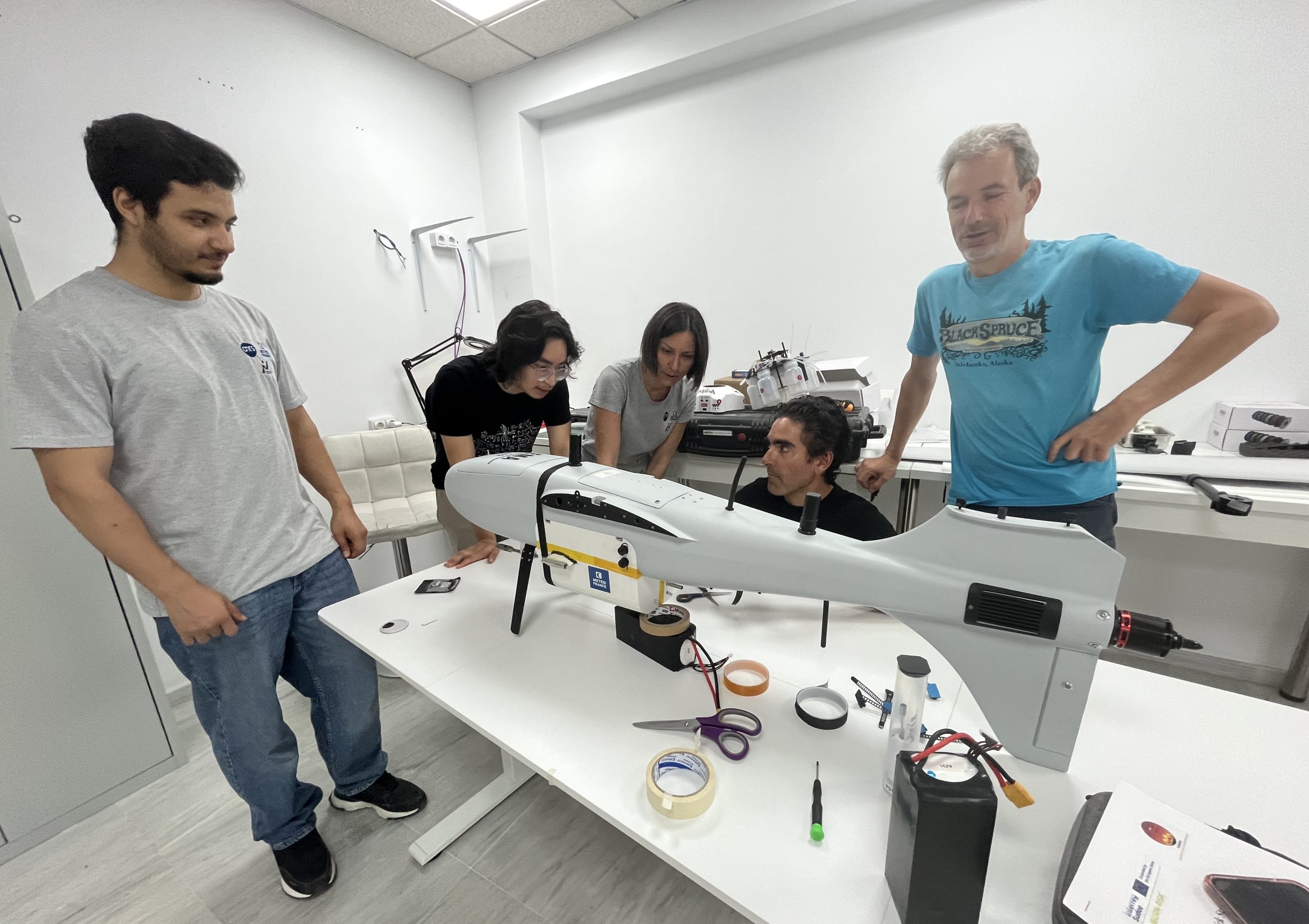
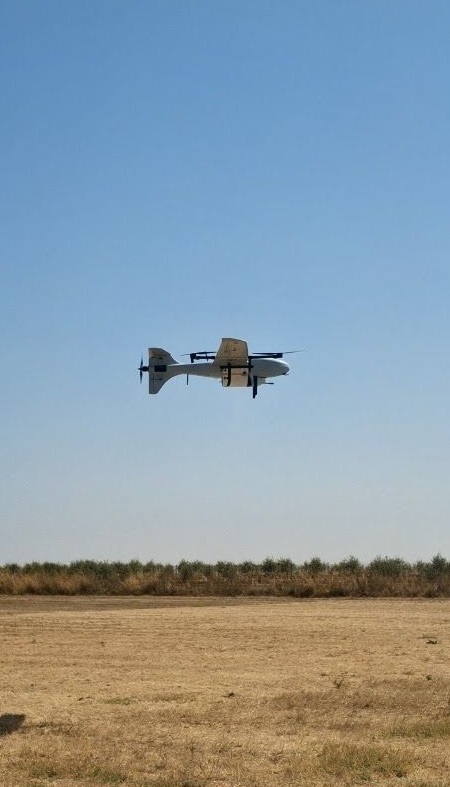
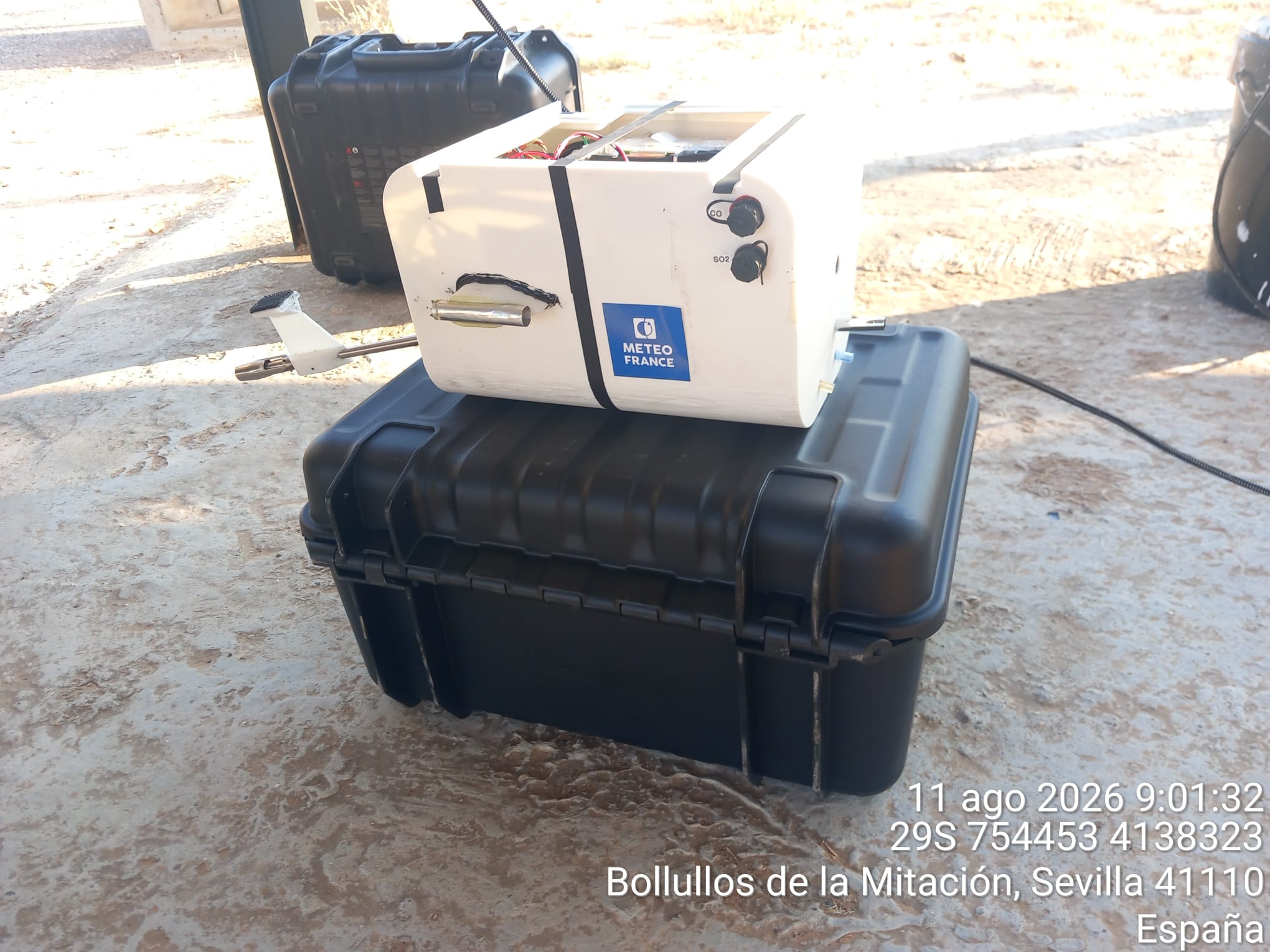
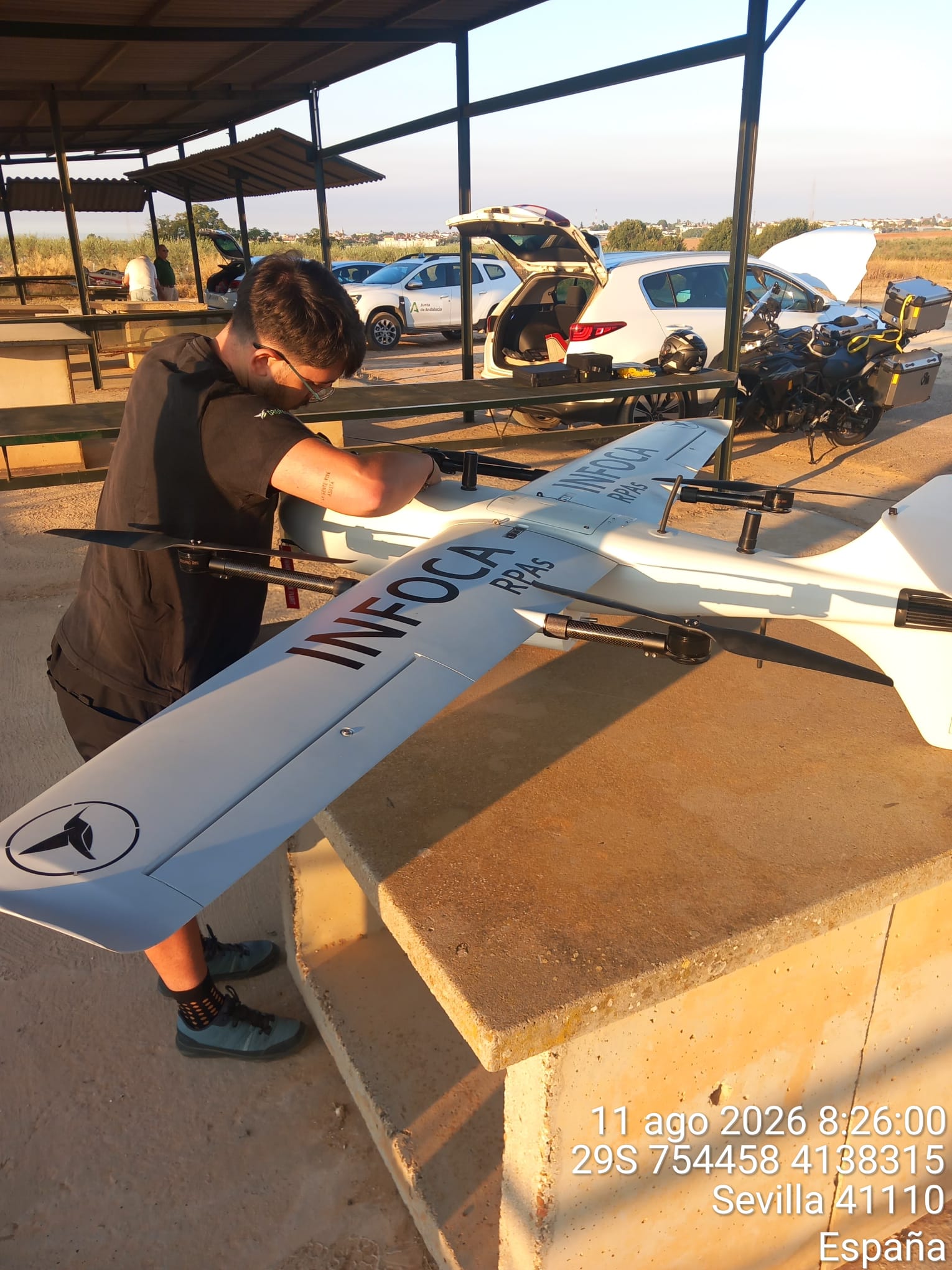
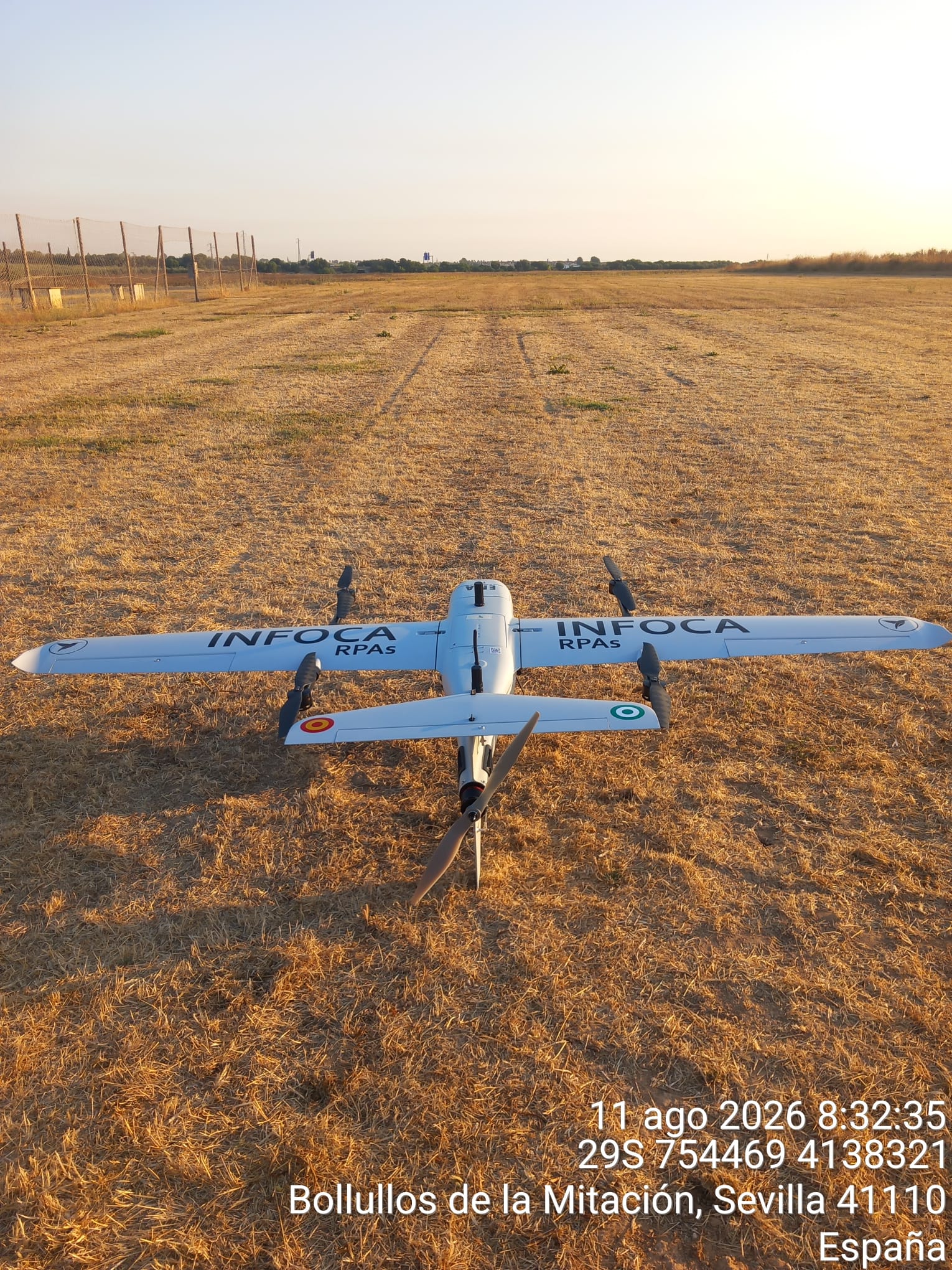
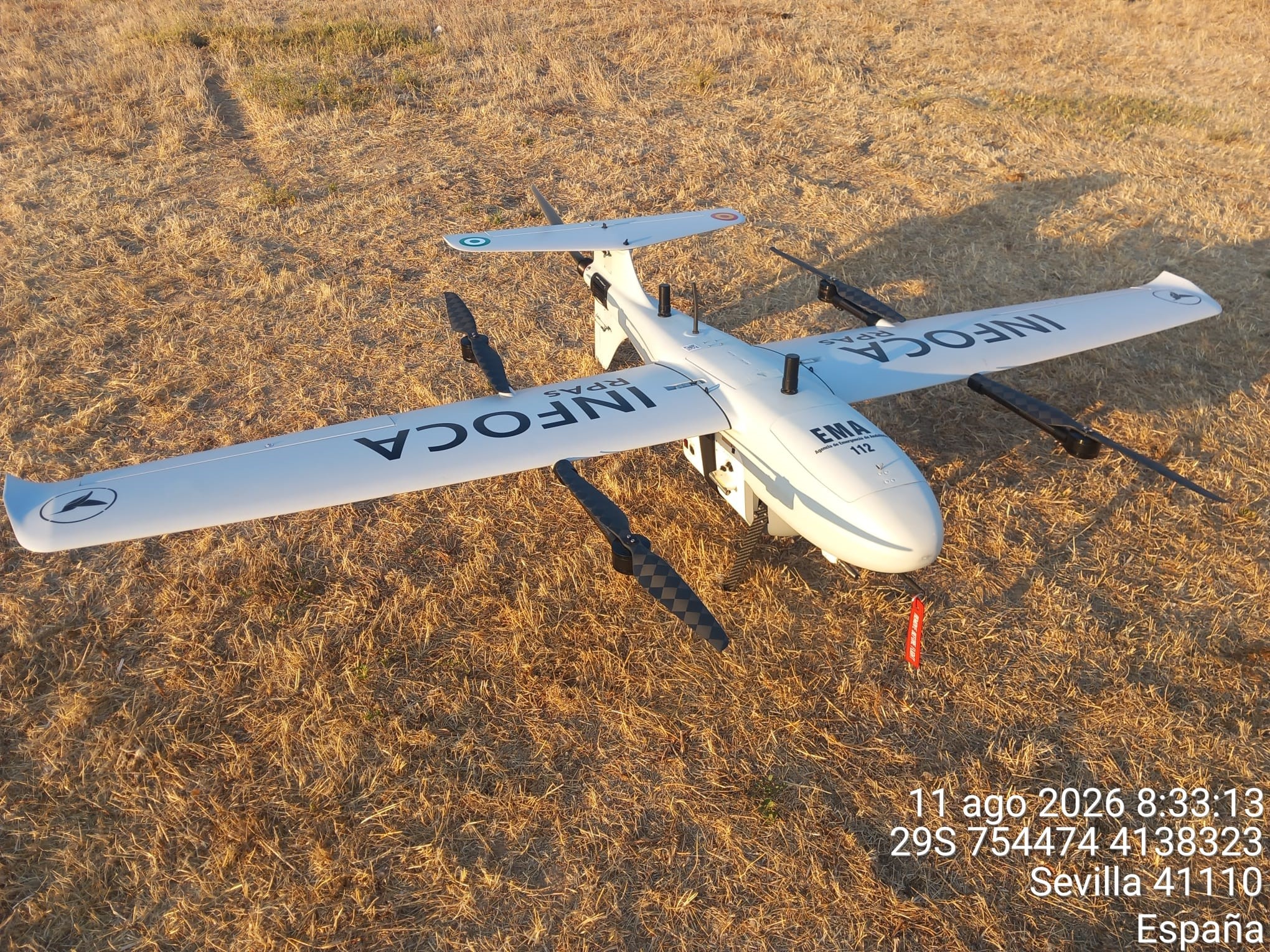
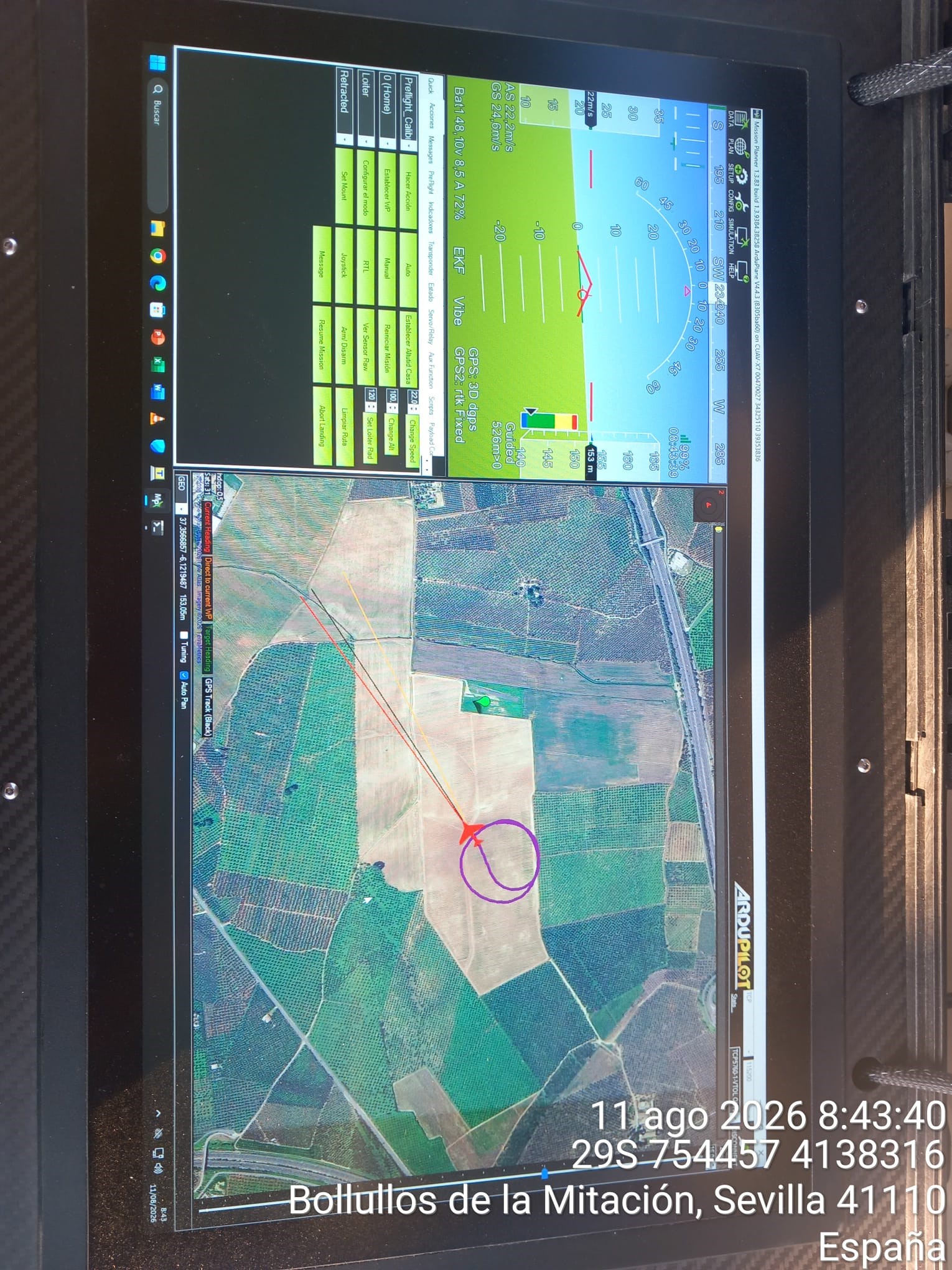
Final preparations for the second phase of the FLAMEX campaign have just been completed in Seville. Research teams equipped the fire monitoring drones from the Andalusian Emergency Agency with miniaturized sensors that measure meteorology, greenhouse gases, and aerosols. These observations aim to improve our ability to monitor and forecast wildfires spread during extreme events. They also aim to improve our understanding and ability to predict the impact of wildfires on atmospheric temperature, clouds formation, ecosystems, air quality, health and climate change.Five additional test flights were conducted by DroneTools on July 29 and August 5, 7, 11, and 13 to verify the procedure and retrieving the data.
______________________________________________________________________________________________________
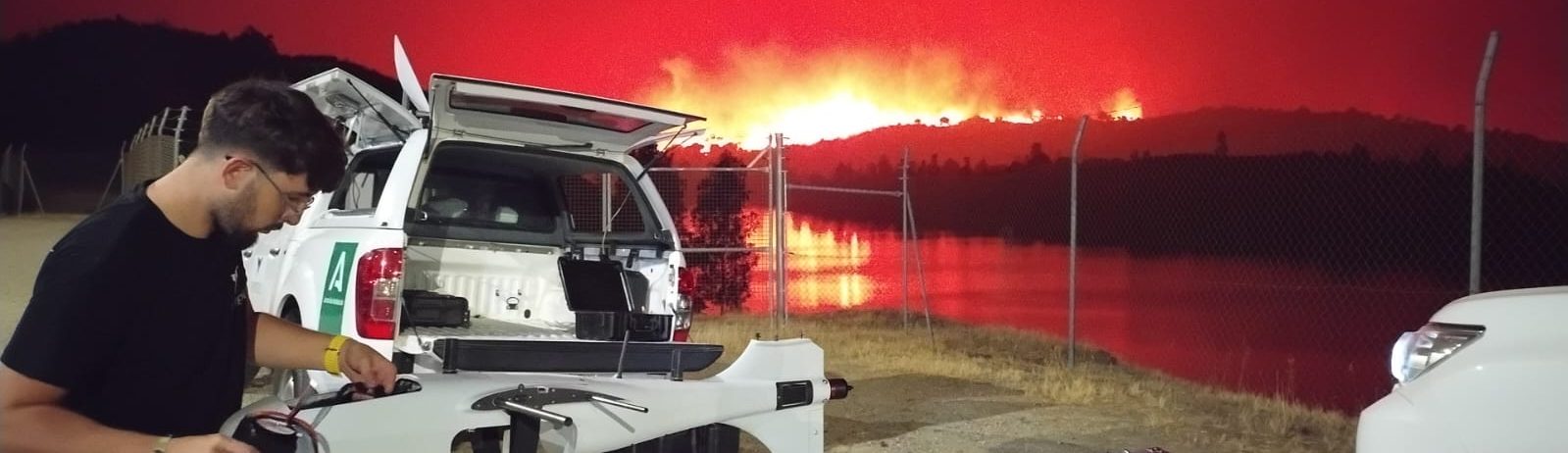
𝗘𝗨𝗕𝗨𝗥𝗡 𝗶𝘀 𝗽𝗿𝗲𝗽𝗮𝗿𝗶𝗻𝗴 𝗳𝗼𝗿 𝗻𝗶𝗴𝗵𝘁-𝘁𝗶𝗺𝗲 𝗱𝗿𝗼𝗻𝗲 𝗳𝗹𝗶𝗴𝗵𝘁𝘀 𝗼𝘃𝗲𝗿 𝗲𝘅𝘁𝗿𝗲𝗺𝗲 𝘄𝗶𝗹𝗱𝗳𝗶𝗿𝗲𝘀 𝘂𝗻𝗱𝗲𝗿 𝘁𝗵𝗲 𝘀𝗺𝗼𝗸𝗲 𝗳𝗿𝗼𝗺 𝘁𝗵𝗲 𝗛𝘂𝗲𝗹𝘃𝗮 𝘄𝗶𝗹𝗱𝗳𝗶𝗿𝗲 𝗮𝗻𝗱 𝘁𝗵𝗲 𝗼𝗯𝘀𝗰𝘂𝗿𝗲𝗱 𝗲𝗰𝗹𝗶𝗽𝘀𝗲
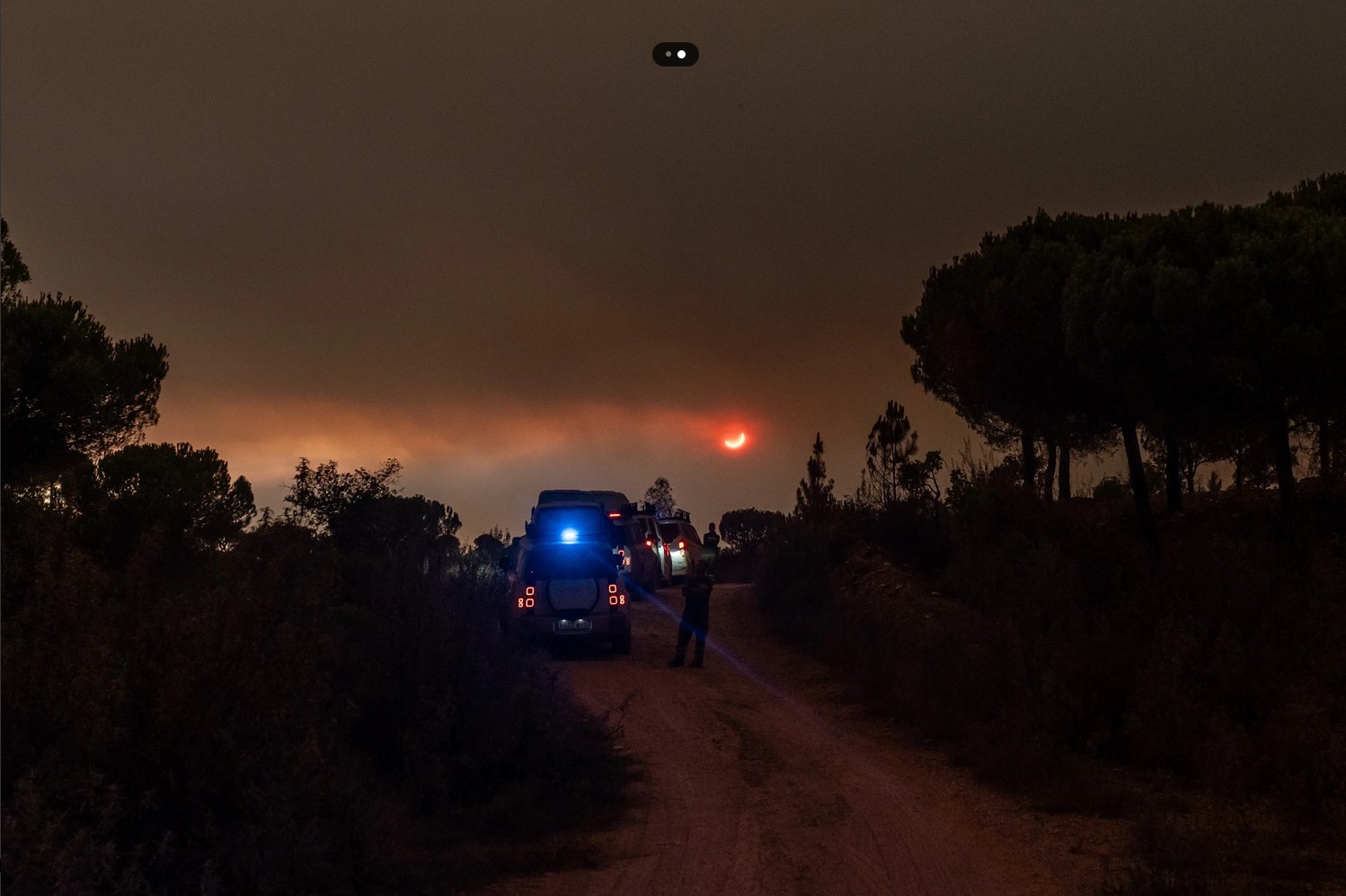
Although many people in France, Portugal and the UK were able to see the eclipse, many others in Spain were not. This was not due to cloud cover, but because smoke from an extreme wildfire near Niebla in the province of Huelva obscured the sky. The wildfire has burned around 20,000 hectares and forced 800 evacuations. Driven by strong winds, the dense smoke spread across a wide regional area, complicating evacuation efforts and forcing localised traffic restrictions and road closures.
These are the weekly conditions under which the Andalusian Emergency Agency performed daytime drone flights. Due to European aviation restrictions, the three flights were limited to a few hundred metres above ground level, so they remained below the smoke plumes. However, they played a crucial role in implementing the flight strategy for airborne operations and ensuring effective communication between teams.
_______________________________________________________________________________________________________
13-14 August 2026 : Flights on HUELVA WildFire
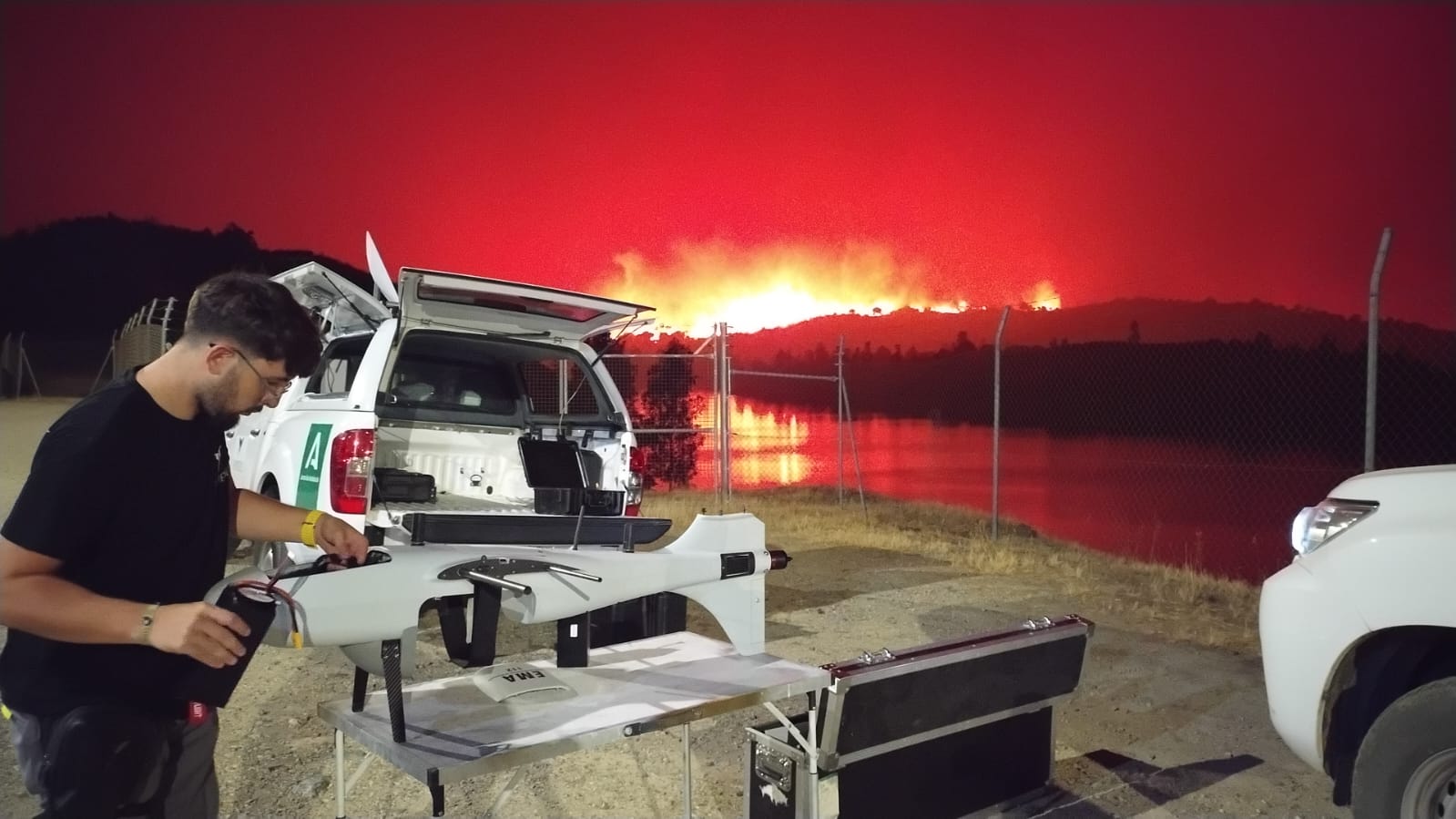
Now that the observations made during the daytime flights have been carefully validated, the next drone flights will take place at night. Flying drones near active wildfires is strictly illegal and extremely dangerous under regular conditions, even at night when firefighting aircraft are grounded. The EUBURN observation strategy, made possible by an unprecedented collaboration between the andalusian emergency agency, drone operators and research team, aims collect observational data within this restricted area. These efforts will help to better understand, monitor and anticipate the risks and impacts associated with wildfires in southern Europe.
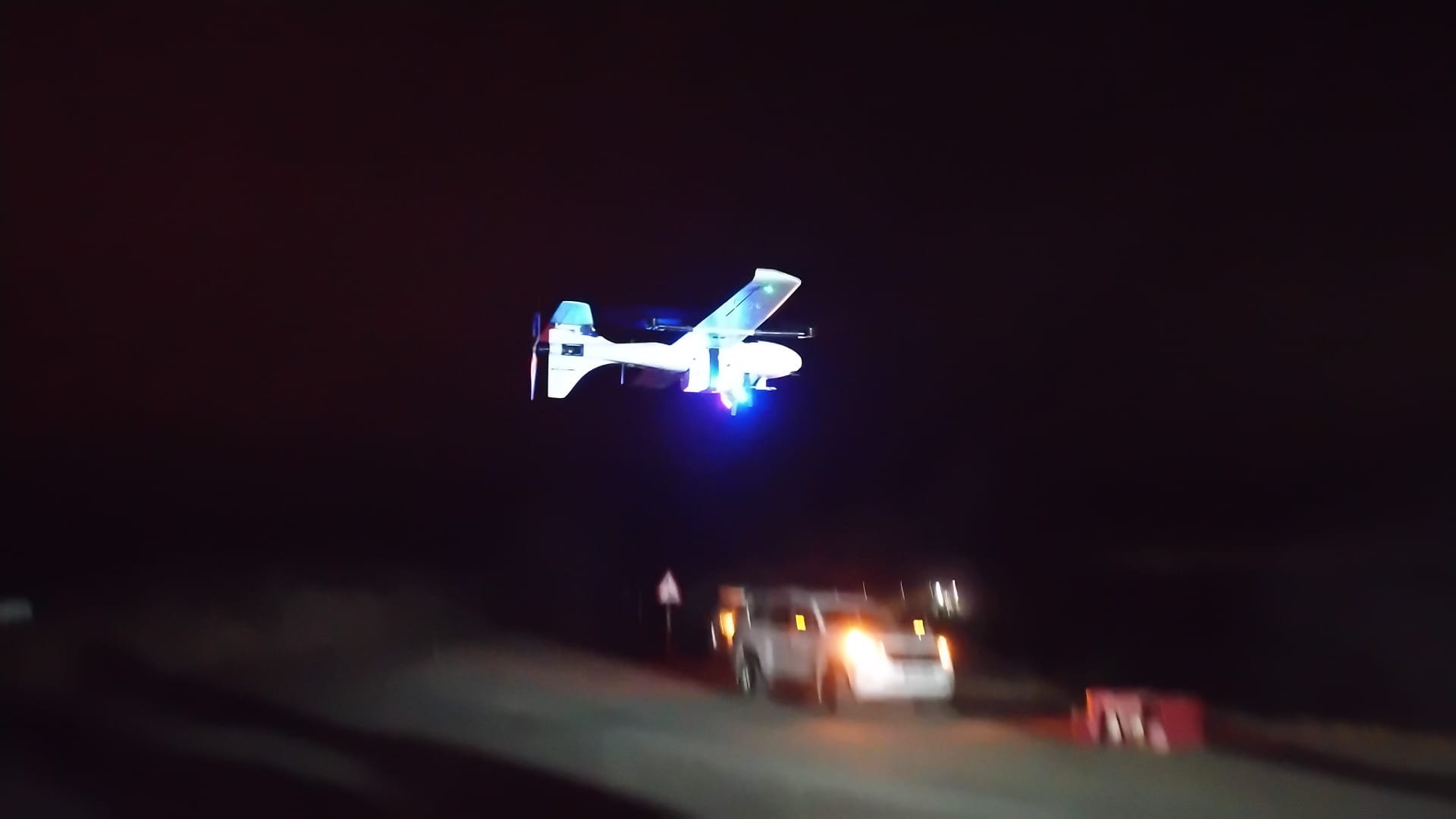
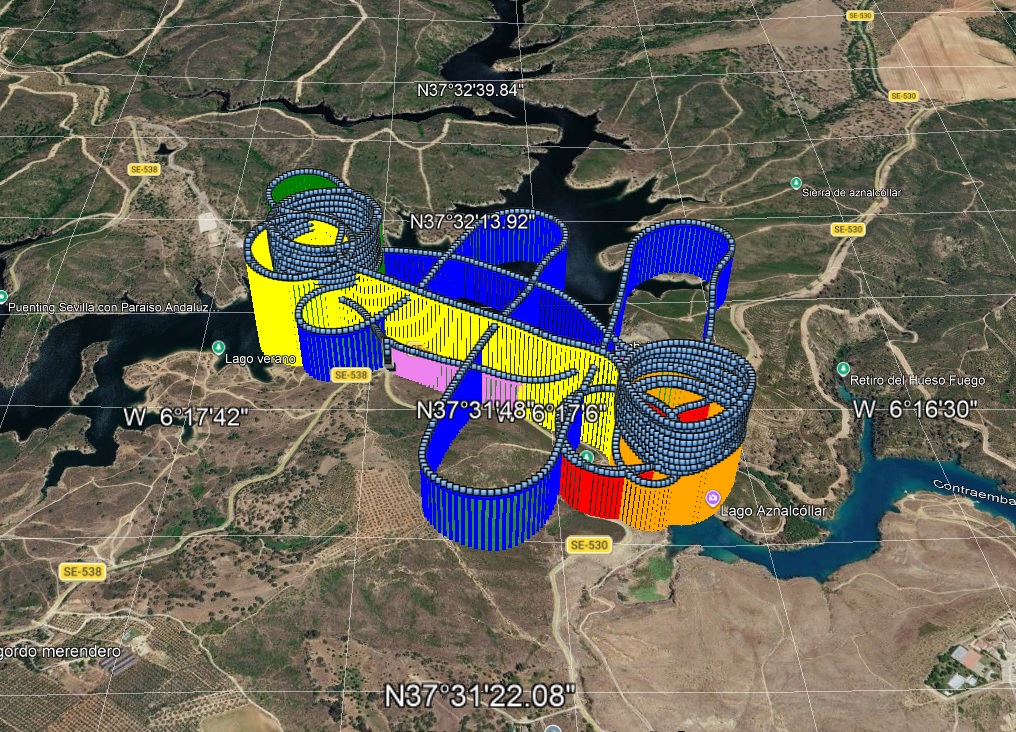
The Andalusian Emergency Agency (EMA) conducted the first scientific flights the most severe wildfire in Andalusia’s history: the Huelva fire. spread as far as the outskirts of the Seville province, affecting a total of 38000 hectares and 13 municipalities. Huge pyrocumulus and fire tornadoes were visible from tens of kilometres away.
_______________________________________________________________________________________________________
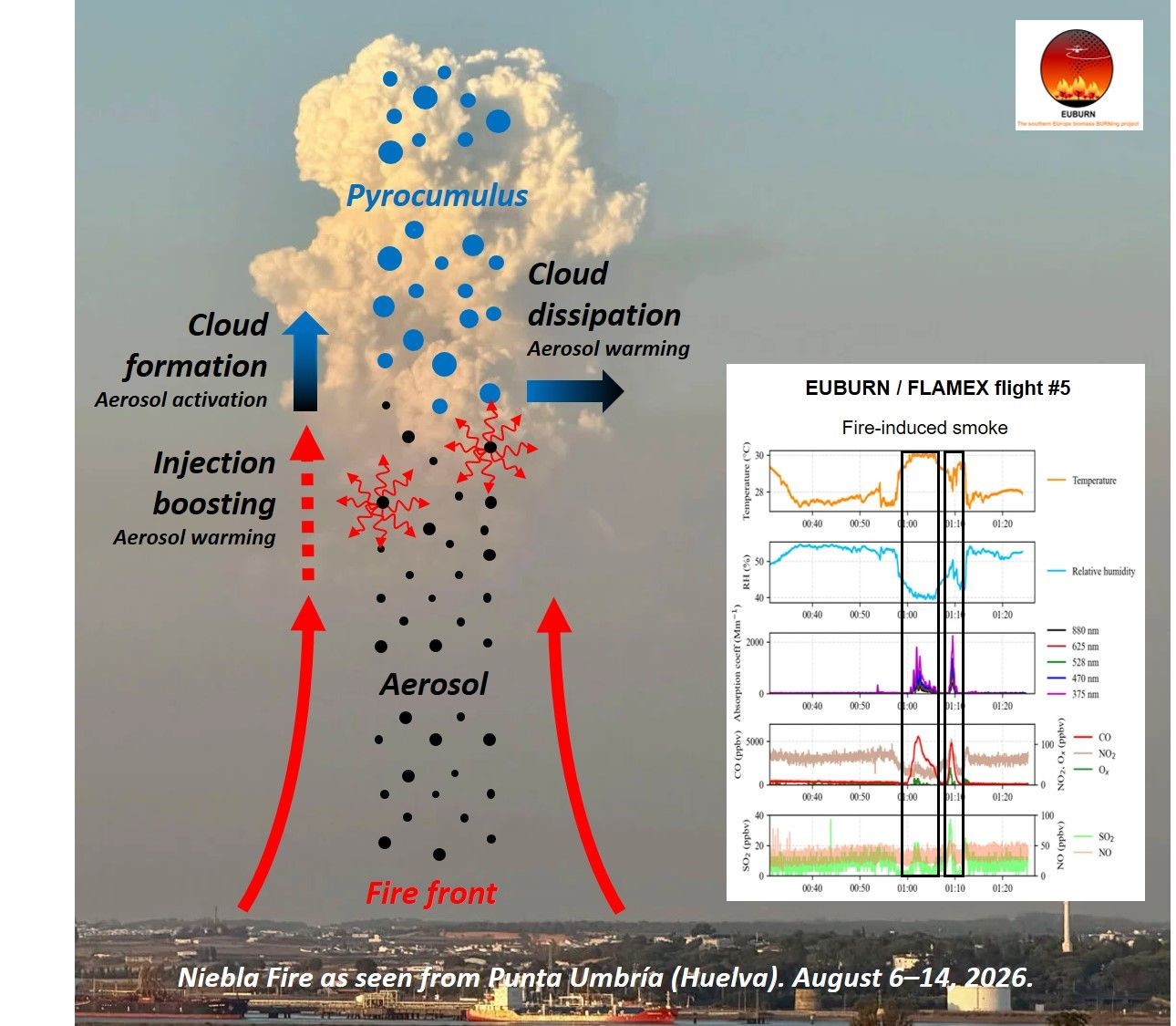
One of the objectives of the field campaign is to measure the processes that trigger the life cycle of pyrocumulus and pyrocumulonimbus. Aerosols from wildfires play a fundamental role in these processes. Depending on their properties, they either promote the formation of droplets by acting as cloud conden-sation nuclei or cause the dissipation of cloud droplets by absorbing radiation. Aerosol can also boost wildfire smoke injection heights, enhancing its cloud forming potential.
EUBURN teams successfully obtained in situ mea-surements of smoke emitted by the Huelva fire, tracking the injected gases and aerosols in the lower part of the fresh plume. The smoke was highly con-centrated and consisted of a complex mixture of ab-sorbing particles, primarily black carbon, suspended in a gas mixture.